
You’re (probably) eating too much salty food You’re (probably) eating too much salty food

Centr Team
24 Nov 2021

We’re going to give it to you straight: you're eating too much salt. Even if you don’t think you are... you probably are.
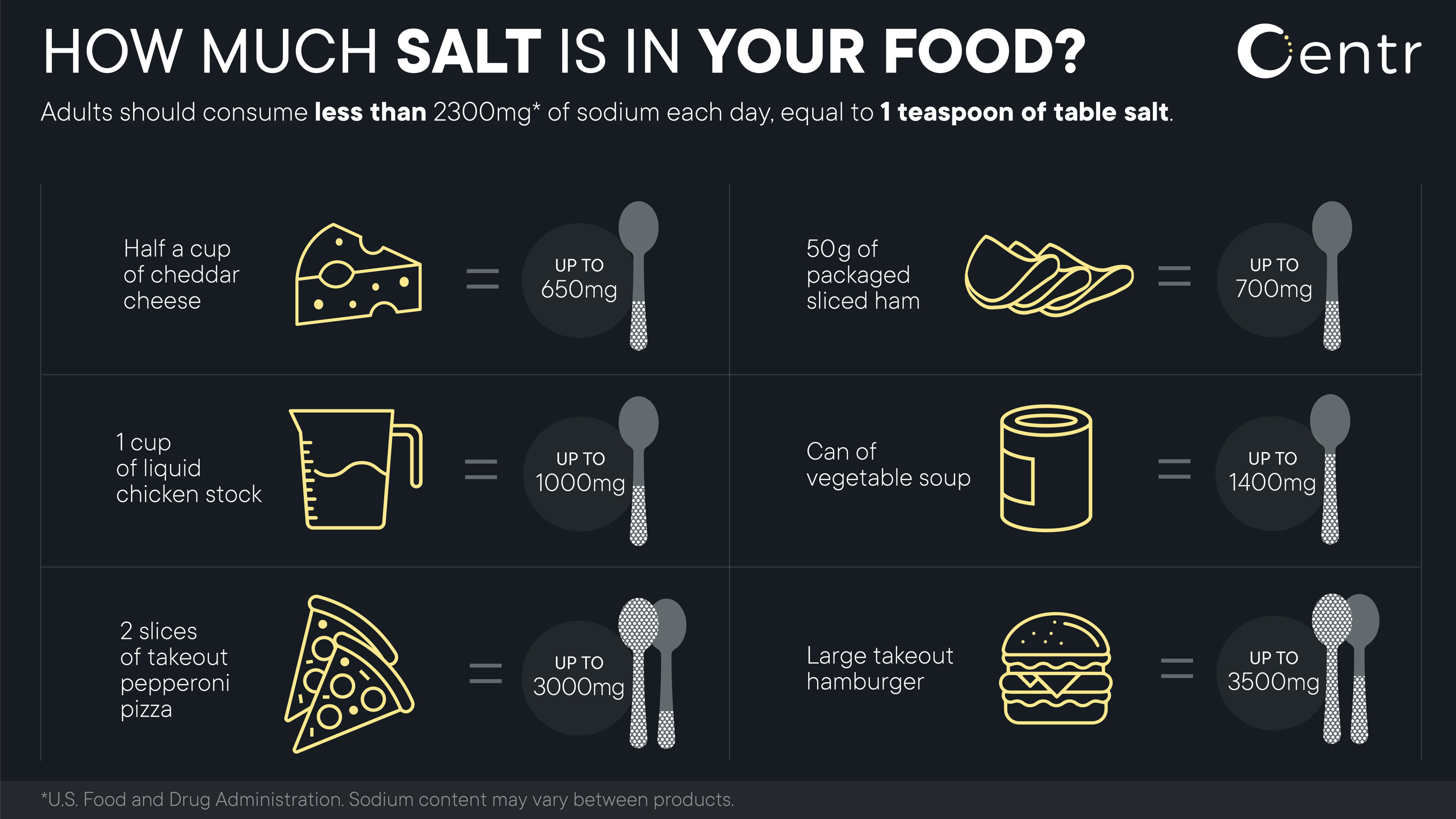
Research has shown that most people worldwide are eating 8–9 grams of salt per day. That’s around 3500mg of sodium (which is the bad-for-you part of salt). Dietary guidelines vary from country to country, but most recommend between 1500mg and 2300mg (6 grams) per day, equivalent to around 1 teaspoon of table salt.
While it’s true the body needs salt to balance fluids, maintain healthy blood pressure and for nerve and muscle function, most of us are eating 30–50 percent more than we should be. And too much salt is bad news for your blood pressure and heart.
So what happens when you cut back, and how can you do it without blanding out all your meals?
 1/2
1/2
A huge study – the results of which were released in 2021 – has shown that even a small reduction in the amount of salt eaten per day can have big health benefits. Within this study, results showed a reduction in risk of heart attack and stroke by 13 percent, and premature death by 12 percent. The best part? Participants didn’t need to give up salt altogether to get the benefits. Cutting sodium by just 25 percent did the trick.
According to the WHO, less salt could give us back an entire year of life, making it “one of the most cost-effective measures countries can take to improve population health outcomes”.
So, with all that said – how do we actually cut the amount of salt in our diet?
6 ways to cut back on salt
As the study showed, cutting back your salt intake by even a small amount can be good news for your body. Try these tips to lower your risk.
 2/2
2/2
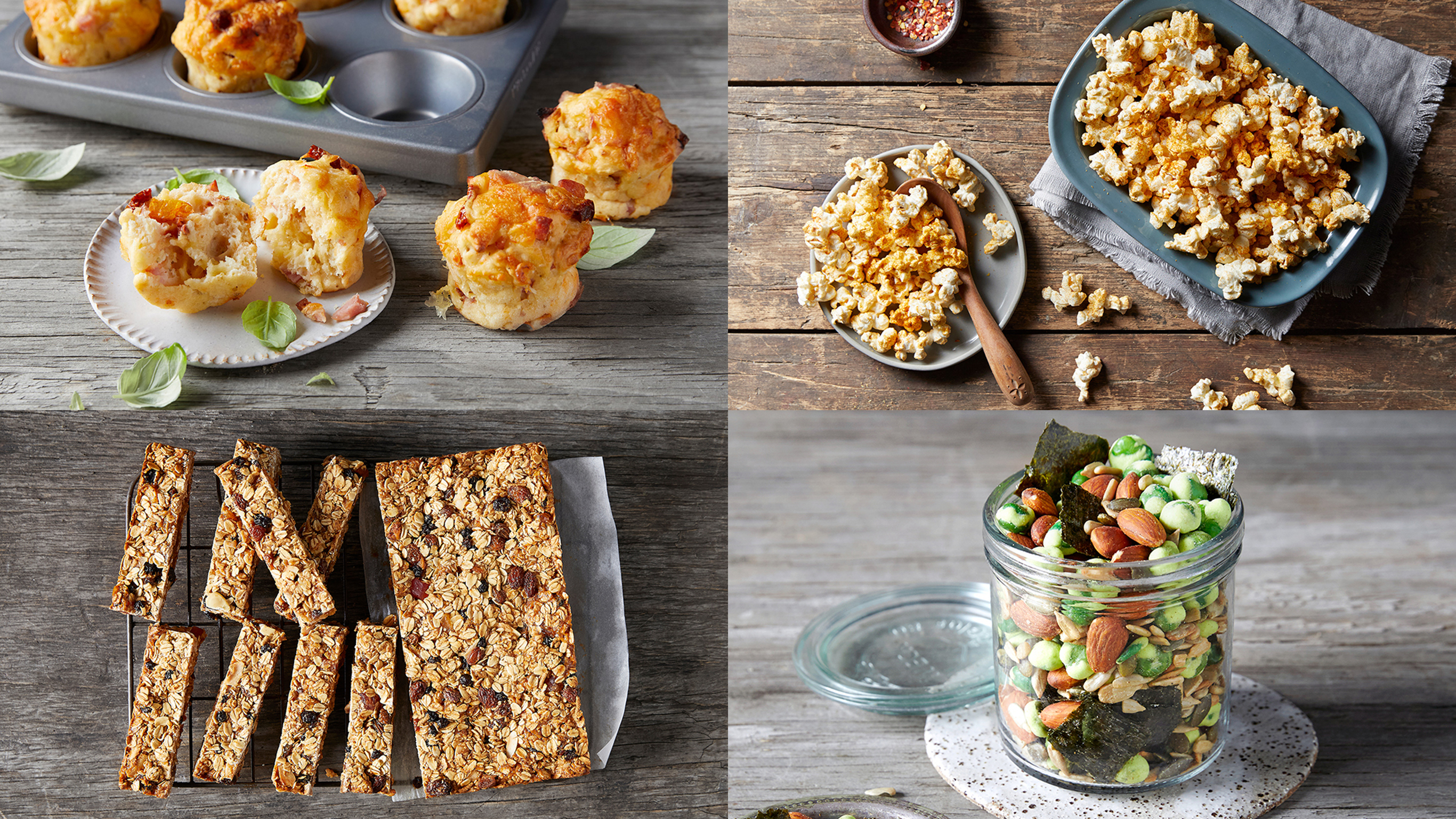
Making your own snacks from whole ingredients is a great way to manage your salt intake.
1. Choose fresh and whole foods
Packaged food is the biggest culprit for added and excessive salt, and it’s not just in the obvious products like chips and soy sauce. Your sweet-tasting breakfast cereal and favorite fake meat products may also be high in salt, for example. Restaurant meals and takeout will be just as loaded. The answer is eating less packaged meals and snacks, and more whole and fresh food you make yourself.
2. Embrace spices and seasoning
Before you reach for the salt, use other types of seasoning to give dishes flavor. Citrus juice or zest for zing, vinegar, fresh or dried herbs, spice mixes… There’s a whole world of flavor to explore. (Watch the sodium levels in your favorite condiments, too!)
3. Use meat that you cook yourself in sandwiches
Processed, packaged and sliced meats are often very high in sodium. So while grabbing ham from the deli makes lunch easy, it also makes it salty. Combined with the cancer risk that processed meat poses, it’s best to avoid it where possible. Seasoning and cooking your own protein for lunch can be as easy as using leftovers from last night’s chicken dinner or a tin of chickpeas (washed, of course!)
4. Ditch the shaker
Instead of wildly shimmying the salt shaker all over your potatoes, use a spoon or pour salt into your hand before you add it to meals and recipes. Add a little at a time and always taste before adding more. This way, you have complete control over how much you’re getting.
5. Rinse your beans and legumes
Shock twist: draining and rinsing the contents of that can of beans actually reduces sodium content by an unexpected amount. So when you’re cooking that delicious Minestrone with Broken Pasta or Colorful Chickpea Veggie Bowl, make sure you follow the instructions to drain and rinse.
6. Read the label
We know it’s boring, but when you do buy packaged foods, take a look at the nutrition facts label. Compare products, and opt for the lower-sodium options. We recommend avoiding anything with a sodium content of over 400mg per 100g, and prioritising foods that contain less than 120mg per 100g.


