
Making your own meals and snacks can seem like a bit of a chore, right? Especially when there are rows and rows of food products on the supermarket shelves promising to make eating well a breeze. So why not just grab a salad and protein bar to go?
The truth is, rather than making your life easier, many of these ‘healthy’ foods may actually be making it harder to reach your goals. We turned to Advanced Sports Dietitian Lisa Middleton to help us cut through the marketing noise and figure out which items to avoid when we’re wandering the aisles.
1. Fake meat products
Reducing meat intake can be good for you and the planet – but if you’re looking for a plant-based alternative, fake meat is rarely the healthiest choice.
“These products are often used as a protein substitute, however, they don’t have the same naturally-occurring nutrients that real protein-rich food sources have,” says Lisa. Plus, like most processed foods, they’re often filled with additives: “High sodium levels are another big concern in these foods.”
So how should you get your protein if you’re eating a plant-based diet? Opt for whole food vegetarian and vegan protein like eggs, tofu, legumes and tempeh. Looking for something that satisfies you like your favorite takeaway burger, but without the beef? Give Simon’s Mexican Black Bean Burgers a try.
2. Gluten-free snacks
Maybe it’s because they’re usually found in the ‘health food’ or ‘organic’ aisle, but we automatically consider anything ‘gluten-free’ to be healthy. Lisa is here with a reality check.
“The only reason to choose gluten-free snacks is if you have an allergy or intolerance. Gluten-free options are not ‘healthier by default. In fact, they are often lower in fiber and higher in sugar and fat than varieties that contain gluten.”
3. Sports drinks
Gotta get those electrolytes in, right? Not quite. Unless you’re an elite athlete or your training sessions run north of 90 minutes, plain water is a better choice than a sports drink.
“If you’re only working out for a standard session of around one hour or less, you can fuel and hydrate just fine without them,” Lisa says.
Want to know what’s really in that brightly-colored bottle? Here’s everything you need to know about sports and energy drinks.
4. Veggie chips
You’re trying to avoid potato chips (crisps), but you still want a crunchy snack to munch on while you’re watching TV. Veggies to the rescue? Not so fast.“There are so many veggie chip varieties, and while some aren’t bad in terms of nutrient and fiber content when compared to potato chips, they are often just as high in calories and fat,” says Lisa. “So if your goal is weight loss, they’re not a good option.”
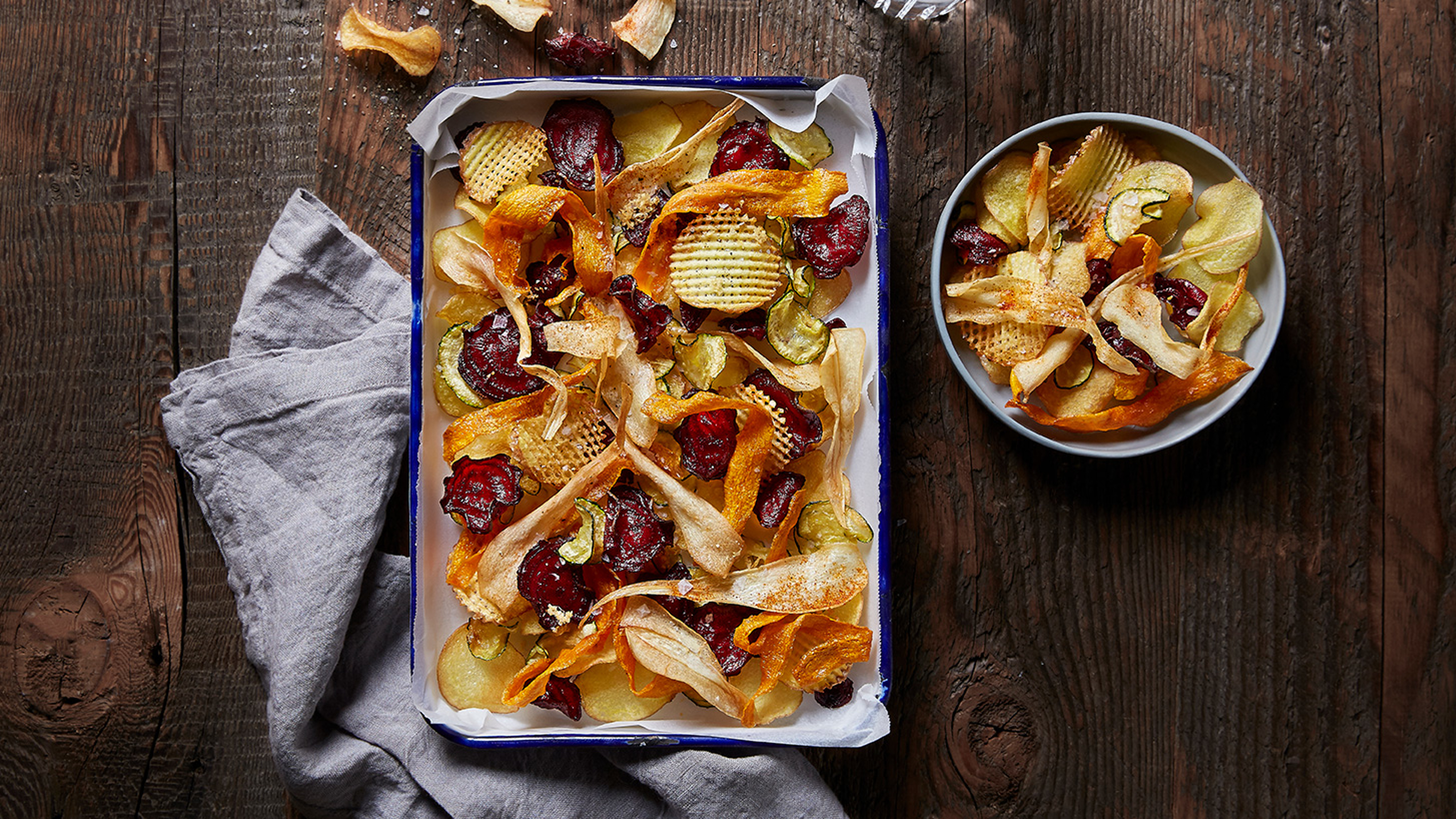
Looking for a veggie chip you can trust? Try making your own!
5. Ready meals
At the end of a long day, grabbing a pre-packaged meal can feel like a lifesaver. While the ingredients may look fairly straightforward, these meals can be loaded with additives to increase shelf life – including a lot of salt.
“Some companies do great pre-packaged meals that meet a high nutritional standard, but these are usually not the varieties found in supermarkets,” Lisa cautions. A package you pick from the store fridge is likely “low in protein and vegetable content, so you’ll often need to add fresh veg to make it more balanced”.
Even a simple salad? “Some are loaded with dressing and higher-calorie ingredients like croutons and cheese, without much salad to speak of,” says Lisa. “Always check the labels.”
6. Vegan treats
“People often assume vegan treats are healthier than standard chocolate bars or brownies, but they are usually just as high in calories,” Lisa says.
What if your vegan brownies are made with coconut sugar? Don’t be fooled by the branding of alternative sugars – they may have a slightly higher mineral or vitamin content than the refined white kind, but they are still, you know, sugar. Added sugar should always be considered a treat, not a staple.
7. Smoothie bowls
We’re talking about the bowls you order from your favorite brunch place – not our Centr smoothie bowls, which like all our meals are balanced to meet your nutritional requirements.
“When you’re eating out, the serving sizes of these smoothie bowls can be massive,” says Lisa. “I don’t think many people realize just how high in sugar and calories they often are.”
The same goes for regular smoothies. Watch out for smoothie chains marketing high-sugar options as ‘healthy’.
8. Bliss balls
Often billed as a healthy alternative to baked treats, you’re likely to find bliss balls in health-conscious places like the front desk at the gym or the counter at the juice stand.
Yes, they often have fruit and nuts, but if you’re eating several at a time they can stack up in terms of calories. Lisa’s tip: “Stick to one small ball with a piece of fruit instead of a handful of bliss balls.”
Consider these bite-sized snacks as a treat and make your own – like our Choc Peanut Bliss Balls – so you’re not tempted at the counter.
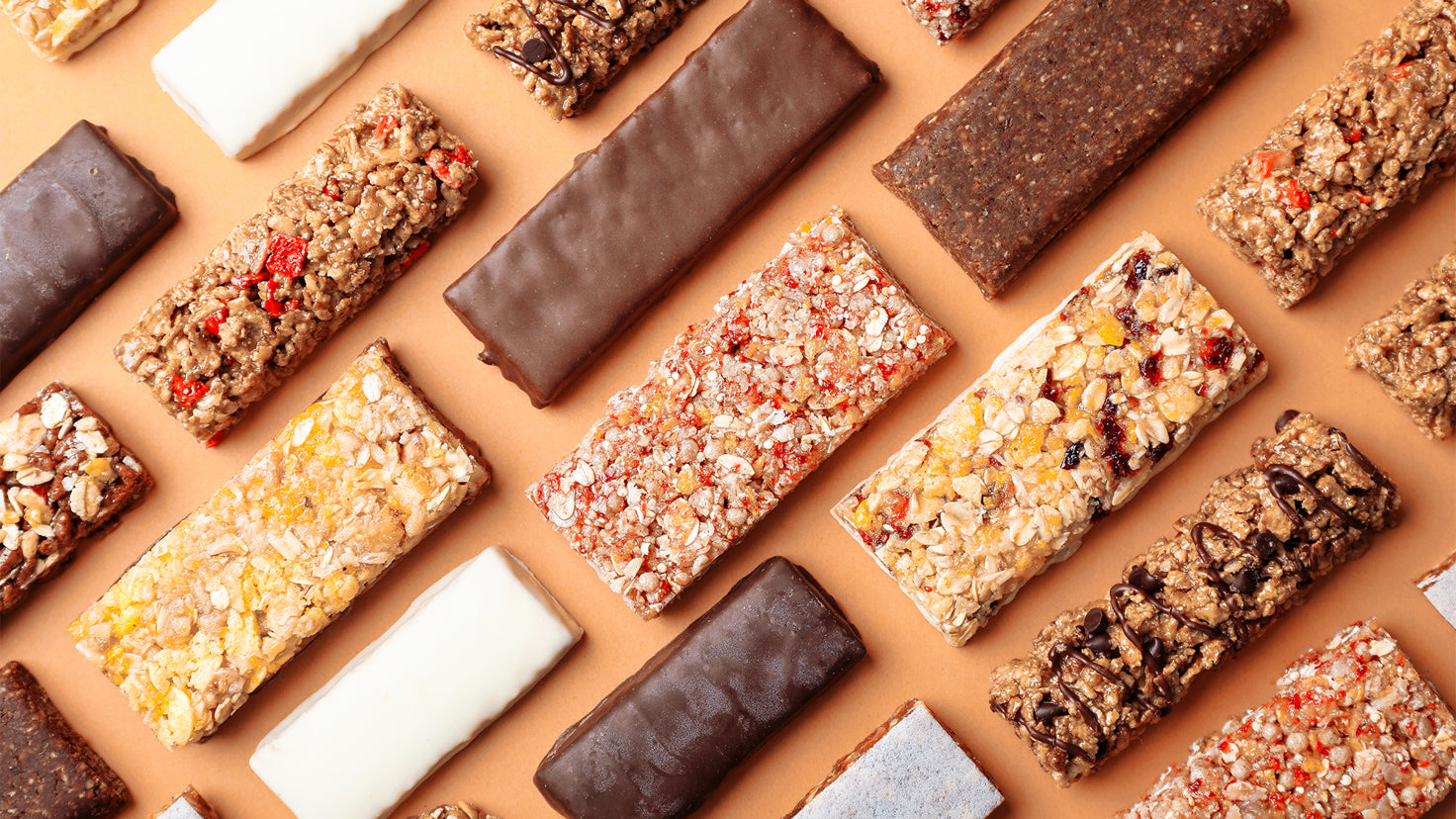
9. Granola/muesli/nut/protein bars
Like bliss balls, it’s all about ingredients and quantity with these convenient on-the-go snacks.
The boxes or single bars you buy in stores are usually loaded with sugar, so check the labels. Or better yet, make your own: Darren’s Bird Seed Bars travel well and are easy to adapt to suit your taste.

Leave a comment
This site is protected by hCaptcha and the hCaptcha Privacy Policy and Terms of Service apply.