
Have you been good to your gut lately, or is there a gurgle of discontent down there?
You may picture your gut as simply your stomach, but your gastrointestinal tract actually starts at your mouth and takes in your esophagus, stomach, small and large intestine, ending at your anus. Its job is to process food and send the useful stuff to your body, while getting rid of waste.
According to Advanced Sports Dietitian Lisa Middleton, when this system is upset in some way, it can indicate a number of things.
“Many factors can cause things to go awry, from harmless – but often uncomfortable – intolerances, to more serious conditions such as inflammatory bowel conditions and even cancer.”
Let’s take a look at how to tell if your tract is off track, and how to love your guts.
Signs that your gut is getting grumpy
These symptoms could be a sign that all is not well downstairs:
- Stomach discomfort, bloating or excessive gas
- Nausea
- Vomiting
- Diarrhea, constipation or a change in bowel movements
- Heartburn or reflux
Signs like bloating and gas don’t necessarily indicate that something serious is at play, Lisa says.
“If you’ve recently changed your diet, then give your body a few weeks to adjust,” says Lisa. “This will also give you a chance to tweak your intake of certain foods if you notice symptoms are particularly severe after eating them.”
 1/2
1/2
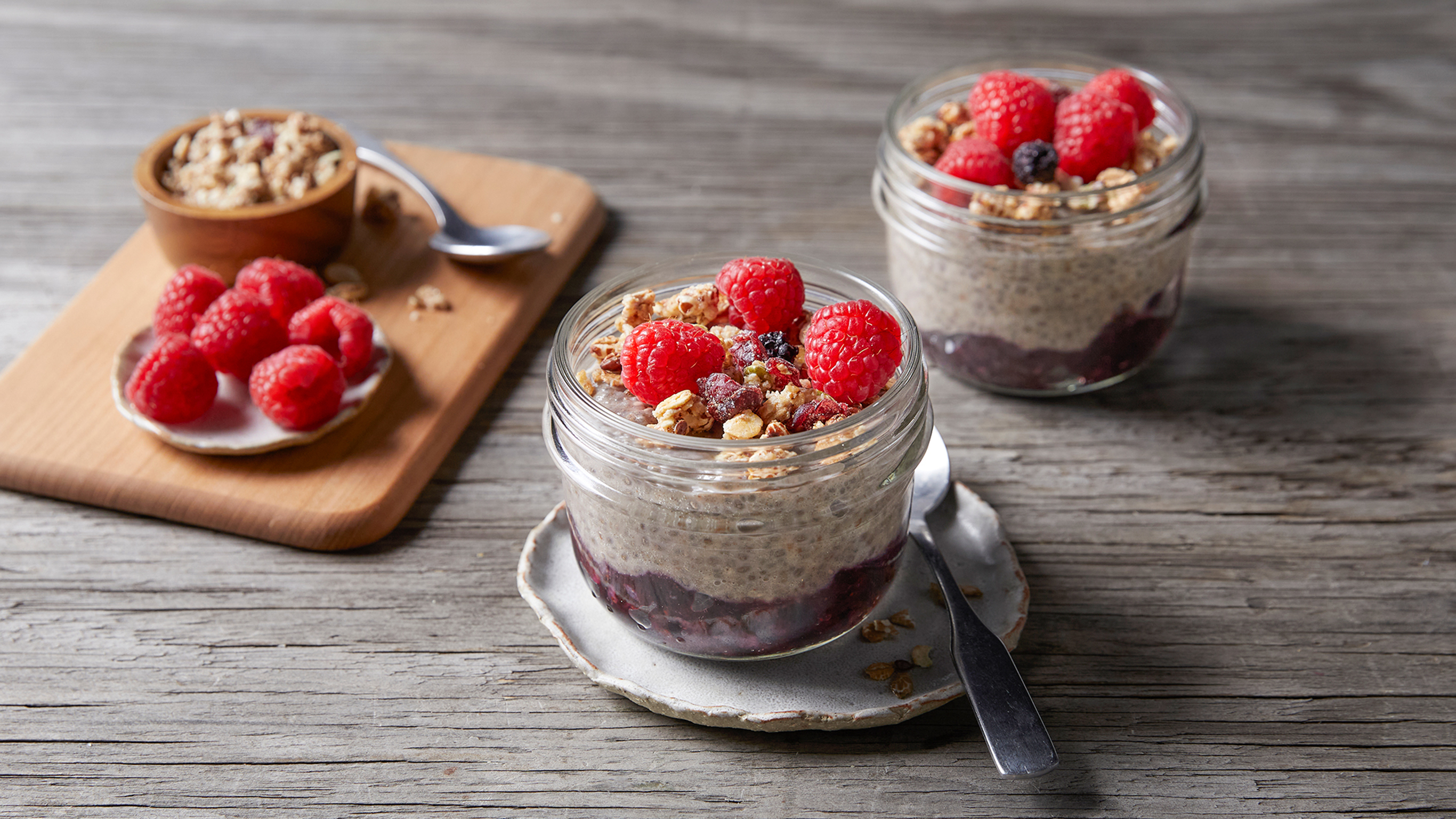
Bran flakes, be gone! Dan’s breakfast parfait is a fiber-full meal you’ll actually look forward to.
8 ways to show your gut some love
So you’ve figured out your gut could do with some help, but where to start? Follow Lisa’s tips to get back in the good books with your gut.
1. Find the fiber balance
Fiber is the traffic controller for your gut, keeping everything moving along smoothly. When you don’t have enough, transit slows, which can lead to a number of digestive system problems. A healthy diet should include a combination of the three different types of fiber:
Soluble fiber is found in fruits, vegetables, oats and legumes. It helps you feel full and stabilizes cholesterol and blood glucose levels.
Insoluble fiber is found in wholegrain bread and cereals, nuts, seeds, fruit and vegetable skins. It helps to soften bowel movements and keep you regular.
Resistant starch is found in potato, rice, al dente pasta and under-ripe bananas. It does its best work in the large intestine, where it helps to produce good bacteria and boosts bowel health.
“If you have a higher fiber diet, then a certain amount of bloating and flatulence can be normal,” says Lisa. “Smell is usually more an issue socially, but if your gas is accompanied by other symptoms – like pain or changes to your bowel movements – it’s worth seeing a professional to get it checked out.”
2. Eat plenty of probiotic and prebiotic foods
Not just a way of marketing yogurt, this dynamic duo is actually essential for good gut health.
Prebiotics are carbs that help to stimulate the growth and activity of good bacteria in the large intestine. A wide range of foods that provide prebiotics includes garlic, onions, asparagus, peaches, legumes, barley and beetroot. Yep, every time you make the Beet & Cabbage Slaw with Maple Walnuts, you’re getting a serving of gut-friendly prebiotics.
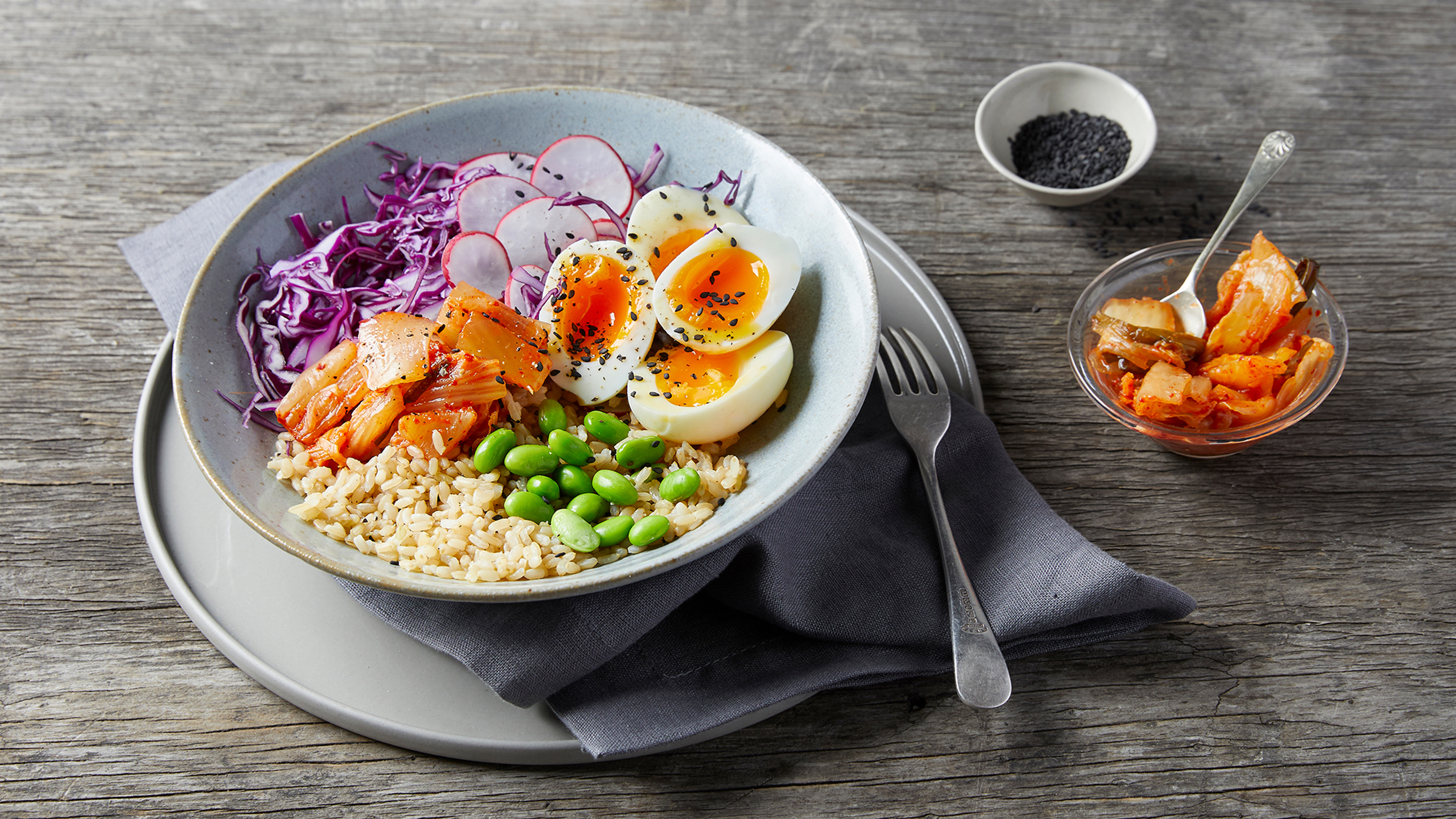
Probiotics are live bacteria that are added to the gut to help improve bacteria balance and promote a healthy digestive and immune system. Probiotic foods include fermented milk drinks, yogurt and fermented vegetables like the kimchi in our Korean Lunch Bowl.
 2/2
2/2
Get your probiotic kimchi fix with our Korean Lunch Bowl.
3. Eat regularly
Do you forget to eat lunch, then go big at dinnertime to make up for it?
“Eating too much at once can cause gut discomfort, as food may not be digested properly,” Lisa explains. “It’s better to go for regular, smaller meals instead of big meals. Regular food intake also stimulates the gut and can help food move through your digestive system.”
4. Stay hydrated
The fiber can’t do all the hard work by itself. “It’s important to increase your fluid intake as you increase your fiber intake to keep food moving through the gut,” says Lisa.
5. Take a booze break
“Regardless of the form it comes in, alcohol is problematic for the gut,” says Lisa. This is because alcohol can be inflammatory. Looking for some sober inspiration? When stuntman Bobby quit booze for a year, he found his diet and overall health improved.
6. Don't overdo red meat
Overconsumption of red meat has been linked to bowel cancer. Lisa recommends sticking to a maximum of 14 oz (400g) per week – which is the amount included in your Centr meal plan (unless you eat vegetarian, vegan or pescatarian, of course).
7. Avoid artificial sweeteners
Whether it’s in your chewing gum, sodas and soft drinks, or you’re adding it to your coffee, do your gut a favor and cut back on artificial sweeteners. Lisa points out that they can “cause bloating or have a laxative effect”.
8. Keep a gut journal
Your grandchildren will love discovering this one day, among your many important documents. But seriously, taking note of what you eat and when you experience gas, bloating or pain will help you to identify causes.
While you should then adjust your diet in response to what is causing issues, Lisa cautions that it’s important not to overcompensate. “Not everyone needs to avoid high FODMAP foods, for example, but sometimes they can cause issues when eaten in larger volumes even if you’re not intolerant – like legumes,” she explains.
“Unless you are diagnosed with an intolerance, don’t cut out entire foods or food groups because you can then become low in other important nutrients. Speak with a dietitian before you begin eliminating entire ingredients or dishes.”
If issues like bloating, extreme gas, diarrhea or abnormal bowel function persist, make an appointment with your doctor or an accredited dietitian.


Leave a comment
This site is protected by hCaptcha and the hCaptcha Privacy Policy and Terms of Service apply.