
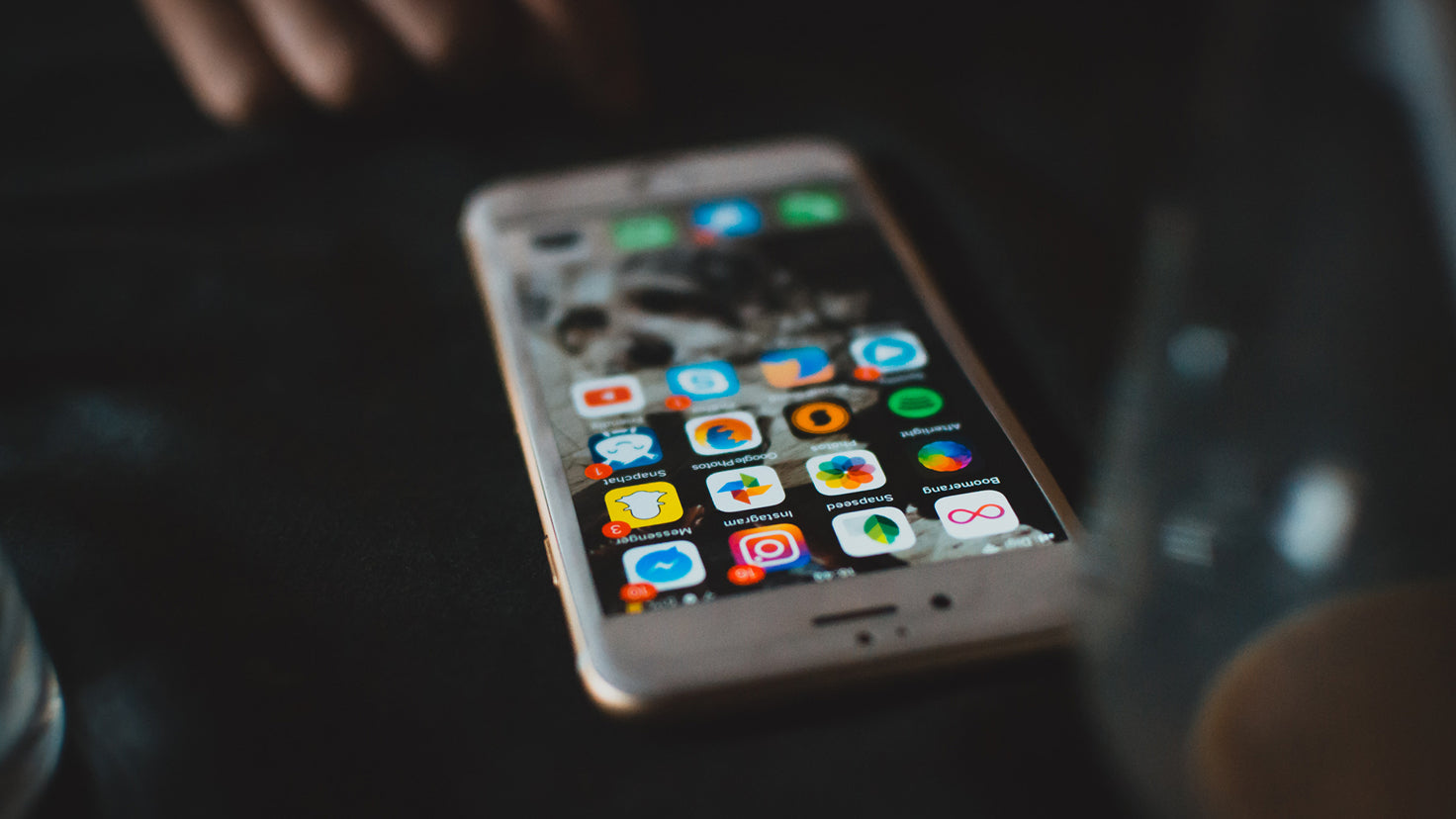
Did you know that South Africans, on average, spend over half their waking hours looking at screens? Or that Americans spend 28 percent of their day watching TV?
And if you think your TikTok scrolling is bad, try keeping up with Brits who are clocking in at 154 videos watched per day.
Screen time boomed during the pandemic for both kids and adults, and has not taken a backward step since.
If we’re not working, books have gone unread and DIY projects have been abandoned as the easy fix for boredom is a drawn-out social media scroll. And when there’s nothing else to do, we turn on the TV for a streaming binge.
With so much of our lives spent gazing at devices of all sizes, it’s important that we understand the impact of screen time for both adults and kids, so that we can take measures to build healthier habits.
What are screens really doing to grown-up brains?
- Your eyes are struggling. Looking at your computer, smartphone, or tablet for extended periods can cause what’s known as “computer vision syndrome” – you might know it better as digital eye strain. This can cause dry eyes, headaches, and blurred vision.
- Your mental health is suffering. Dopamine is known as the “feel-good hormone” and it’s part of the brain’s pleasure and reward circuit. When playing video games, you get a hit of dopamine in similar brain regions as those linked to cravings for drugs and gambling. Ditto for social media – every time we see a new post or get a reaction to our posts, it’s like a hit of brain candy. When you run low on dopamine, this can lead to depression, lack of motivation, poor memory and concentration, impaired coordination, and even lack of sex drive. Exercise and meditation can help to turn it around.
- Your physical health is in trouble, too. Why? Because most of the time when we’re on our screens, we’re sitting down. And you know how important it is to get up and move.

Reducing screen time may have a positive influence on a child's mental health.
Are screens negatively impacting growing brains?
We know the guilt that comes with using a screen as a babysitter for our kids. While it can be hard to set limits – such as no screens in bed, or only for set periods of time – that extra effort can be really beneficial for children.
In 2018, Australia released guidelines around screen time to support kids’ development. They recommend:
- no screen time for children younger than two years
- no more than one hour per day for children aged 2–5 years
- no more than two hours of sedentary recreational screen time per day for children aged 5–17 years (not including schoolwork).
Of course, most studies show that kids are exceeding these recommended limits. Here’s how too much screen time can impact kids.
- Is it stunting their cognitive development? Little brains are constantly building neural connections and to develop to their fullest, they need not just virtual, but real-world stimulus. Harvard researchers recommend children are exposed to “a diverse range of online and offline experiences”, giving their minds a chance to wander and their imagination and creativity space to flourish.
- Their mental health is at risk. Around the time social media exploded in popularity, a study found that teenagers’ well-being levels plummeted – finding a “direct correlation between device use and unhappiness”. Teens who spend 7+ hours a day on screens are said to be twice as likely to have been diagnosed with depression or anxiety.
- Bad habits can follow them for life. As with adults, kids can get hooked on the dopamine ‘reward’ they get from video games and social media, which can create harmful habits that will be difficult to shake when they grow up.
Whether you’re looking out for yourself or your children, remember balance is key.
If you know you have a big afternoon of online meetings or sending emails, make sure you get out for a walk or do a quick workout first. Try reading a book in bed instead of scrolling social media. And get up and walk away from your screen for 10 minutes if you feel your eyes getting tired or your neck and shoulders getting tight.


Leave a comment
This site is protected by hCaptcha and the hCaptcha Privacy Policy and Terms of Service apply.