
Meal plan tips for food-intolerant foodies Meal plan tips for food-intolerant foodies

Centr Team
03 Jul 2019

In case you haven’t guessed from our range of recipes, we love food at Centr. Providing you with healthy meals that taste – and look – amazing is an important part of what we do, and keeps you excited for your health and fitness journey.
But we know not everything is suitable for every diet. Food intolerances are fairly common and although there may be foods you need to avoid, there are ways to get creative with alternatives that will hopefully let you get the most out of Centr.
If you can’t stomach the wheat in our Super Greens Pesto Pasta or find the eggs in our Mango and Passionfruit Pancakes absolutely impossible, we’ve got some advice on how you can adapt recipes to suit your needs.
Of course, none of this replaces the advice of an accredited dietitian, as they can provide information tailored to achieving your optimal individual nutrition requirements from your food choices.
FODMAP
This is one where we’re going to insist you see a medical professional first, because if you have a problem dealing with FODMAP foods, then managing the situation correctly is critical to your health and well-being.
There is a ton of ever-changing information out there about FODMAP – and not all of it correct – and many people try to ‘treat’ it themselves. This can cause uncomfortable symptoms and put individuals at risk of nutritional deficiencies.
FODMAPs are sugars that are found naturally in many foods. Foods especially high in FODMAPs include garlic, onion, apples, pears, asparagus, artichokes, leeks, cow’s milk, honey, artificial sweeteners and even ripe bananas. Foods that tend to be lower in FODMAPs include brown rice, ginger, berries, pineapple, oranges, kiwi, spinach, carrot, zucchini, tofu and maple syrup – but obviously the impact of FODMAPs depends on the quantity of the food being eaten.
If you would like to modify Centr meals with the assistance of your dietitian or doctor, then there are some simple switches to start with, such as substituting rice based noodles for pasta or the green part of spring onion and asafoetida (a spice) for onion and garlic.
Soy
Soy is not a common food intolerance for adults, but it does happen. If you are non-vegan it can be straightforward to avoid soy as you would any other allergen indicated on food packaging, and can potentially substitute with animal products such as lean chicken, for example in our Spicy Tofu Stir-fry.
If you are plant-based and rely on soy as a protein source, this can be more difficult. Some legumes may be appropriate substitutes, but if you rely on those alone you run the risk of becoming deficient in other nutrients – after all, variety is key. If you are concerned with this, seek specialist advice.
Lactose
Plain old milk is the main culprit, being high in lactose. Luckily, you can choose lactose free milk or alternative plant-based milks – although you may find many of these to be lower in protein or calcium. Yogurt and hard cheeses are generally low lactose, as is butter.
You might not need to avoid dairy altogether. Some soft cheeses can be higher lactose so it’s important to be careful with portions. Individual tolerance varies, even for milk, so consult your doctor and see about experimenting with how much can be tolerated without causing symptoms.
Gluten
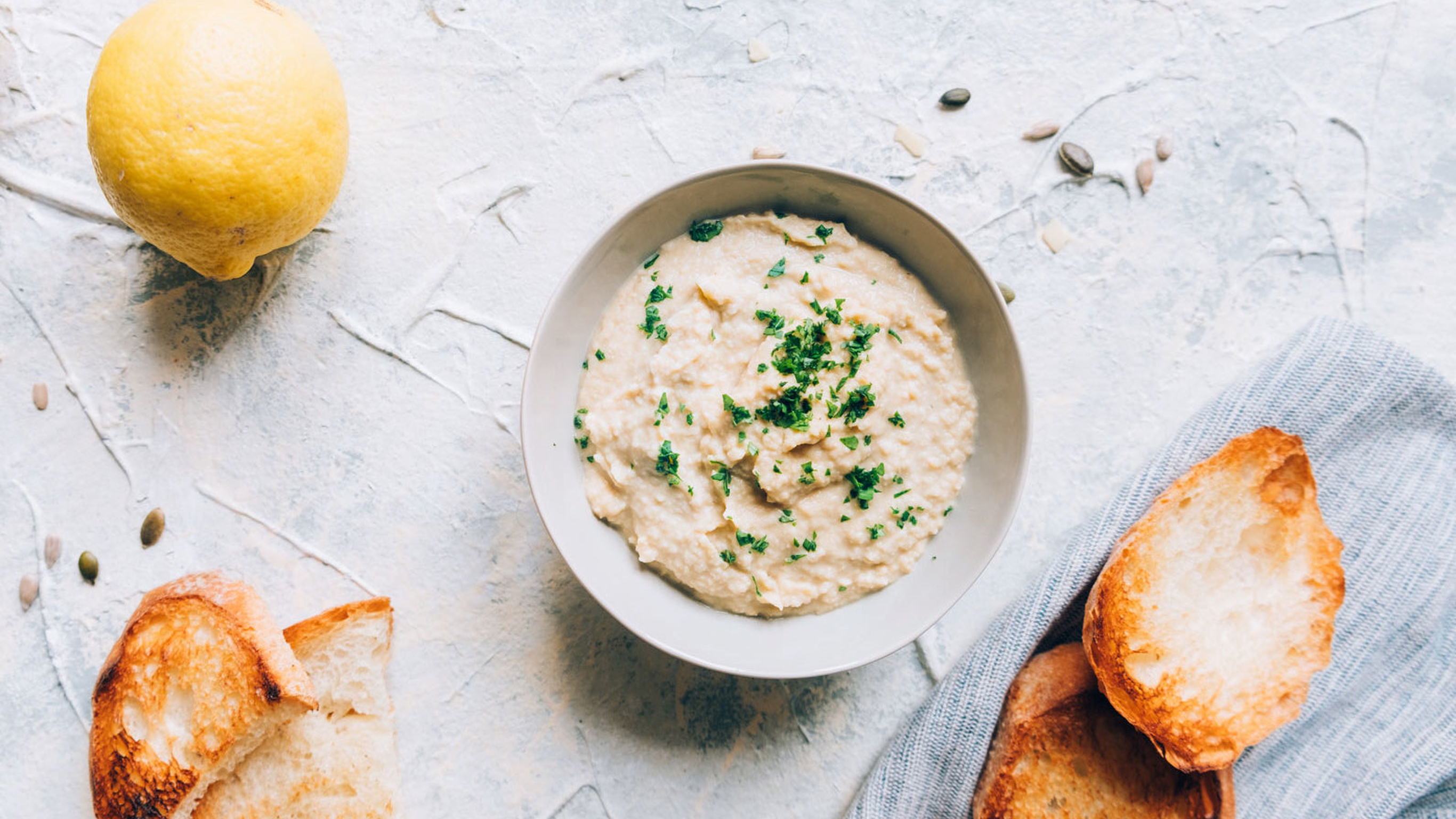
If you’re one of the many people with gluten intolerance, there are many gluten-free alternatives available for breads, pastas and noodles that you can find in many grocery stores. For nutrient-dense, low-energy options, you could also give cauliflower rice or our Easy Bolognese Zoodles a try. Plus, rice, rice noodles, quinoa, legumes and buckwheat all naturally gluten-free. In fact, most wholegrains are gluten-free other than wheat, rye, barley and triticale.
In theory, pure oats should be safe for people avoiding gluten – however, there is often a risk of cross-contamination with other grains during processing. Those with coeliac disease might prefer to avoid oats for this reason.
That’s why we provide substitutes for oats in our recipe ingredients, so don’t be turned off the Coconut & Raspberry Ripple Oats just because of the name. You may be able to use brown rice flakes or quinoa instead, but should consult with a medical professional to manage your dietary needs safely.
When oats contain gluten it is usually in trace amounts, so most people with gluten-sensitivity/fructose malabsorption can tolerate oats well – but this varies for different people. Remember that many processed foods contain gluten either in main ingredients or flavourings, so check labels carefully. This includes soy sauces, but luckily there are tamari and gluten free varieties available.
Nuts
Most people with a nut allergy are not allergic to all nuts and seeds, so it’s a matter of choosing those that are tolerated. Allergy testing can help to determine the likelihood of you having an allergic reaction to certain nuts. Once you have determined that you don’t have an allergy to a certain nut or seed, you can use these instead of those you react to.
Can’t handle peanuts but think almonds are amazing? Experiment with almond butter for Satay Tofu with Noodles.
Eggs
Eggs can be hard to replace in recipes if they are used as a binder. You can experiment with ‘chia egg’ by mixing one tablespoon of chia to two tablespoons of water to create a sticky binding agent. Flax can be a suitable ‘binder’ for baking, like in our Carrot Cake with Lemon Coconut Frosting. You can buy ‘egg substitute’ products as well, but be aware that some may still contain egg – always read labels.
If the egg is just for liquid, sometimes you can use pureed or mashed fruit, as with our Peanut Butter & Banana Pancakes. You can adapt this method to our other pancake recipes. For savoury recipes, even some olive oil or soft tofu could provide the right consistency. If you need a protein substitute for eggs, get creative and try ricotta/cottage cheese or tofu or mashed legumes and nut/seed spreads.
In fact, why not give our Scrambled Chickpeas on Toast a try? Or the Curried ‘Egg’ Wrap (the secret is tofu)? Once you get a feel for these replacements, you’ll know which is appropriate to switch out for the other in recipes.


